
The psychological impact of gambling How casinos shape our minds
The Allure of Risk and Reward
The psychological thrill of gambling often lies in the allure of risk and reward. Many players are drawn to the prospect of winning big, which can trigger a powerful dopamine release in the brain. This chemical response reinforces behavior, making players seek out the excitement and anticipation that comes with each bet. Casinos exploit this natural inclination by designing their environments to maximize emotional engagement. The sounds of slot machines, flashing lights, and the exhilaration of a win create a sensory experience that amplifies the desire to play. For those interested in online options, slotrize-ie.com offers a compelling selection of games to explore.
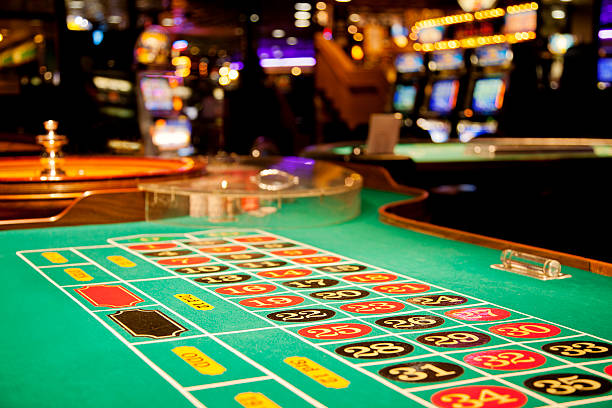
Moreover, the concept of near-misses can also play a significant role in gambling psychology. When players experience a near-win—like getting two out of three symbols on a slot machine—they often feel a rush of excitement, which can be misleading. This psychological phenomenon encourages them to continue playing, as they become convinced that a win is just around the corner. Thus, casinos are engineered to ensure that players stay in this heightened emotional state, often leading to extended play sessions and increased spending.
Additionally, social dynamics also affect the psychological impact of gambling. Players often gamble in groups, whether at a table in a casino or online, and this communal aspect can enhance the overall experience. The excitement of shared victories or the collective groans of near-misses can create a sense of belonging and community. In this way, casinos not only create spaces for individual play but also foster social connections that can amplify emotional investment and, subsequently, financial expenditure.
The Role of Environment in Gambling
The physical environment of a casino is meticulously crafted to enhance the psychological effects of gambling. From the layout of gaming machines to the strategically placed bar and restaurant areas, every aspect is designed to encourage prolonged play. For instance, casinos often use warm colors, plush seating, and enticing aromas to create a welcoming atmosphere. This sensory engagement makes it difficult for players to disengage from the experience, often leading to impulsive decision-making.
Furthermore, the absence of clocks and windows contributes to a distorted sense of time for gamblers. Players often lose track of how long they have been engaged in gambling, which can lead to longer sessions than they initially intended. This manipulation of time perception is a psychological tactic that casinos employ to keep players gambling for as long as possible, leading to higher overall expenditure. By trapping players in an environment that feels both exhilarating and timeless, casinos effectively shape their psychological state.
Moreover, the gaming options available also play a critical role in shaping gambling behaviors. The variety of games, from slots to table games, provides choices that can enhance the feeling of control among players. Many believe that choosing a game or a specific bet will improve their chances of winning. This sense of agency is psychologically comforting, encouraging players to engage in risky behaviors and often leading them to make larger bets than they originally planned.
Addiction and Compulsive Gambling
The psychological impact of gambling can lead to addiction for some individuals, resulting in compulsive gambling behaviors. This issue arises when the thrill of gambling transforms from a fun pastime into a compulsion that negatively affects other areas of life. Individuals may start to prioritize gambling over family, work, and financial responsibilities, driven by the need to chase losses or the elusive thrill of winning.
Research indicates that certain psychological traits, such as impulsivity and risk-taking, can heighten the likelihood of developing gambling addiction. For some, the gamble becomes a way to escape from stress, anxiety, or depression, leading to a cycle that can be hard to break. The momentary highs experienced while gambling can create a pattern of behavior that becomes increasingly difficult to resist, even when faced with negative consequences.
Interventions for gambling addiction are critical, focusing on both psychological and behavioral aspects. Therapy, support groups, and educational resources can aid individuals in understanding their gambling behaviors and learning healthier coping mechanisms. Additionally, casinos are increasingly being called upon to implement responsible gambling initiatives, such as self-exclusion programs and awareness campaigns, to help mitigate the risks associated with compulsive gambling.
The Impact of Online Gambling
The emergence of online gambling has further intensified the psychological effects associated with gambling. The convenience of playing from home allows for increased access, making it easier for individuals to indulge in gambling behaviors without the physical limitations of a traditional casino. Online platforms often employ gamification techniques, such as leaderboards and achievement badges, to further engage players and encourage repeated play.
Additionally, the anonymity of online gambling can exacerbate psychological risks. Players may feel more comfortable making impulsive bets without the social accountability present in a brick-and-mortar casino. This anonymity can contribute to reckless gambling behaviors, as players may be less mindful of their spending when they do not physically see their chips or cash disappearing. The psychological detachment can also lead to isolation, as individuals may choose to gamble alone rather than engage with friends or family.
As online gambling continues to grow in popularity, understanding its psychological effects is crucial. Players should be educated on the risks associated with online gambling, including the potential for addiction and the importance of setting limits. Platforms can take the initiative by providing resources for responsible gaming and creating environments that promote healthy gambling habits, ensuring that the psychological impact of gambling is addressed holistically.

Slotrize Casino: A Case Study
Slotrize Casino exemplifies how online platforms shape the psychological experience of gambling. With an extensive range of games, including popular slots and live games, it offers players the excitement of a traditional casino from the comfort of their own homes. The user-friendly interface and enticing bonuses, such as welcome packages and free spins, are designed to enhance user engagement and prolong playtime.
However, the psychological implications of such a platform cannot be overlooked. Slotrize Casino creates an environment that encourages players to explore various gaming options, tapping into their curiosity and desire for excitement. While the experience can be enjoyable, it also carries inherent risks associated with compulsive gambling and the emotional highs and lows of gaming.
To address these challenges, Slotrize Casino, like many other platforms, has a responsibility to promote responsible gambling practices. This includes providing resources for players to understand their behaviors and set limits. By fostering an environment where enjoyment and responsibility coexist, casinos can help mitigate the potential negative psychological impacts of gambling while enhancing the overall user experience.